
Gambling Addiction Help: Support Resources for World Cup Betting Problems

Quick answer: Gambling addiction help is available 24/7 through free, confidential helplines like 1-800-GAMBLER (1-800-522-4700), live chat services, and self-exclusion tools that can block you from betting sites immediately. If World Cup betting feels out of control, chasing losses, hiding bets, or wagering more than you can afford, contact a gambling helpline now rather than waiting for the next match. Trained specialists will connect you to local counselors, support groups, and practical blocking tools without judgment.
> Definition: Gambling addiction help encompasses free 24/7 helplines, live chat and text support, self-exclusion tools, cognitive behavioral therapy, and financial safeguards designed to help anyone whose sports betting or World Cup wagering has become uncontrollable.
This page is educational and does not diagnose or treat gambling disorder. If you feel at risk of harming yourself, call or text 988 in the U.S. and Canada, or contact local emergency services immediately.
TL;DR
- Call 1-800-GAMBLER (1-800-522-4700) or use live chat for immediate, confidential gambling addiction help, available 24/7 in every U.S. state.
- Self-exclusion tools, gambling-blocking apps, and payment blocks can be activated before the World Cup to prevent impulsive live betting.
- Gambling disorder is a recognized medical condition, not a moral failure. Early help prevents severe financial, relationship, and mental health damage.
- Cognitive behavioral therapy is the most evidence-backed treatment and produces sustained reductions in problem gambling behavior.
- Loved ones can also call gambling helplines for guidance on setting boundaries and protecting shared finances.
What Gambling Addiction Help Covers
Gambling addiction help covers immediate crisis support, treatment referrals, account-blocking tools, and longer-term recovery planning for people who cannot control betting. Gambling disorder is recognized in DSM-5 as a behavioral addiction, with diagnostic features that overlap with substance use disorders, according to the American Psychiatric Association source.
Help usually starts with a phone call, text, or live chat. From there, a trained specialist can point you toward counseling, self-exclusion, gambling-blocking apps, support groups, and financial safeguards. It is not only for people at rock bottom.
The cold moment is simple: the odds screen is still open, and you already know the next bet is about panic, not analysis.
The National Council on Problem Gambling estimates that about 2 million U.S. adults meet criteria for a severe gambling problem in a given year, with another 4 to 6 million experiencing mild to moderate gambling problems source.
How Gambling Addiction Help Works
Gambling addiction help works by turning one private moment of concern into a safer next step. A helpline call, text, or live chat usually starts with a trained specialist asking what is happening now, whether there is immediate risk, and what kind of support feels possible today.
The process is practical, not a contract. You can ask questions, describe World Cup betting urges, or talk through debt and secrecy without agreeing to one treatment path. The specialist may use brief screening, a short set of questions to understand risk, then suggest referral options such as gambling-trained counselors, cognitive behavioral therapy, peer groups, financial counseling, or local services. They may also explain access controls: self-exclusion can close betting accounts, payment blocks can stop gambling transactions through a bank or card, and device blocks can restrict betting apps and sites when urges spike.
A typical path looks like this:
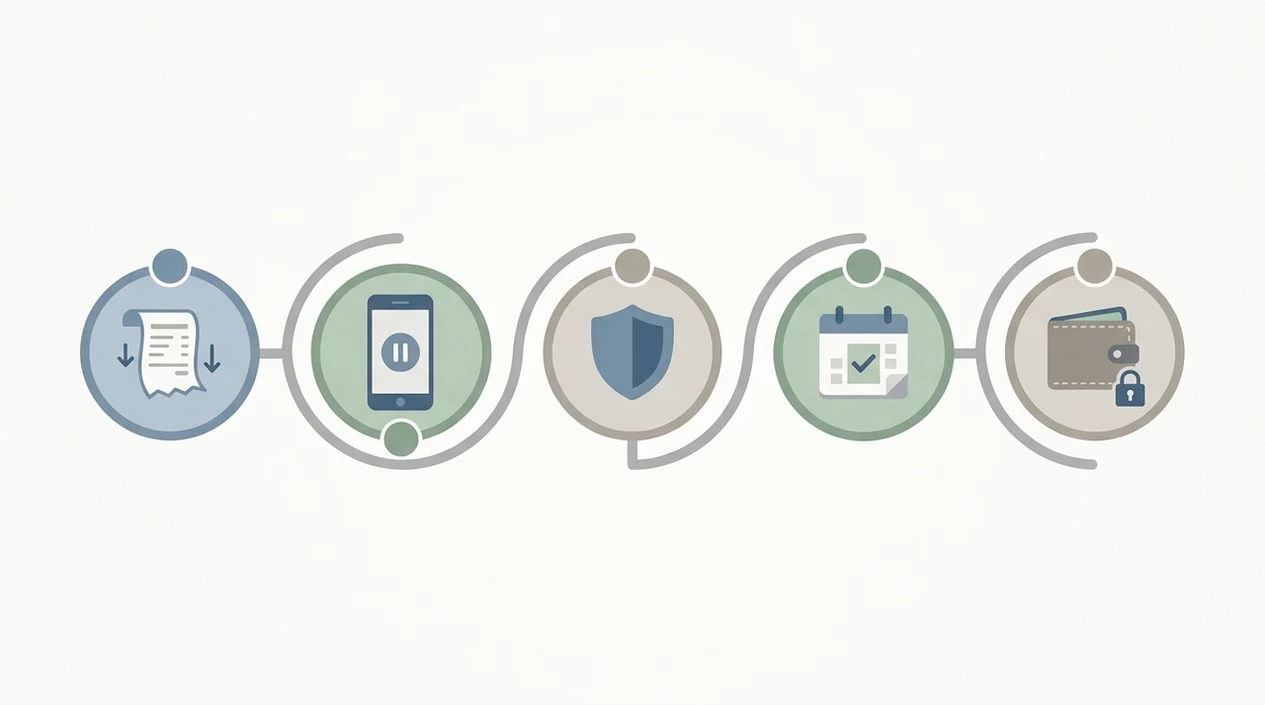
- Contact support by phone, text, or live chat and explain what feels out of control.
- Discuss risk around money, safety, debt, and immediate betting urges.
- Choose referrals for counseling, peer support, local programs, or family guidance.
- Add safeguards such as self-exclusion, bank blocks, device blocks, and account limits.
- Arrange follow-up so therapy, safeguards, and support work together instead of relying on willpower alone.
5 Facts Every Football Bettor Must Know About Problem Gambling Help
Problem gambling help is confidential, practical, and available before the damage becomes irreversible. For football bettors, the warning signs often show up during high-volume events like the World Cup.
- Gambling disorder is a recognized mental health condition. It is not weak discipline or bad character, and 24/7 confidential help is available in the U.S. and many other countries.
- World Cup chasing is a red flag. Borrowing to bet, lying about losses, or trying to win it back on the late kickoff are signs to call now.
- Helplines connect you to real services. A gambling helpline can refer you to counselors, therapy, support groups, self-exclusion programs, and local financial help.
- CBT plus safeguards improves outcomes. Cognitive behavioral therapy works better when paired with payment blocks, deposit limits, or third-party control of funds.
- Loved ones can call too. Partners, parents, and friends can ask how to set boundaries without covering debts or funding more bets.
The 90th-minute prayer feels different when rent money is on it.
How Gambling Addiction Develops During World Cup Betting
Gambling addiction develops when reward, stress, and access keep reinforcing the urge to bet despite harm. Live football betting is especially risky because intermittent reinforcement, the unpredictable “maybe this next market hits” reward pattern, keeps the dopamine loop active.
Clinicians typically recommend early intervention when betting becomes compulsive, secretive, or financially damaging. The DSM-5 criteria for gambling disorder include chasing losses, needing larger wagers, failed attempts to cut back, and gambling despite relationship or financial harm. Those symptoms parallel substance use disorders.
A WhatsApp message asking “Is this a banker?” is often the wrong question. The better question is whether one more bet creates another failure point you cannot afford.
Why World Cup Tournaments Are High-Risk Windows
The World Cup compresses fixtures, markets, previews, and live odds into a short period. That constant availability can trigger binge betting or relapse, even for someone who “only bets on tournaments.”
Chasing Losses: The Core Trap in Football Betting
Chasing losses is not a strategy. It is a core gambling disorder symptom, and it usually turns variance into deeper debt.
Warning Signs You Need Gambling Addiction Help Now
You need gambling addiction help now if betting feels impossible to stop, even after you decide you are done. Early support matters; you do not need to lose everything before calling.
Use this checklist before the next match:
- You bet more than you can afford to lose.
- You hide bets, delete apps, or lie about losses.
- You borrow money, use credit, or sell possessions to fund wagers.
- You feel unable to stop after setting a limit.
- Your mood swings with match outcomes.
- You place another bet mainly to recover the last one.
- You keep refreshing markets at halftime even when you feel sick.
The remote control under the betting notebook is a small detail. It still says plenty.
If several of these fit, move from self-management to outside help. The safer route is calling a gambling helpline before the next live market opens. For general risk education, Betting risks explains why low-probability outcomes can still feel falsely close during football betting.
Gambling Helpline Numbers and Live Chat Resources
Gambling helplines are free, confidential, and non-judgmental. They do not exist to shame you or force one treatment path; they help you choose the next safe step.
- 1-800-GAMBLER / 1-800-522-4700: The National Problem Gambling Helpline offers 24/7 phone, text, and chat support across the U.S. Official phone, text, and chat routing is listed by the National Council on Problem Gambling source.
- National Council on Problem Gambling: The NCPG website routes users to live chat, state services, and local treatment options.
- Gamblers Anonymous: GA meeting finders can help you locate peer support online or near you.
- GambleAware: UK readers can use GambleAware and the National Gambling Helpline for free support.
- International equivalents: Many countries have national gambling help lines, regulator-run self-exclusion tools, or charity-backed treatment services.
U.S. Gambling Helpline Directory
In the U.S., start with 1-800-GAMBLER by phone, text, or chat. Ask specifically for sports betting self-exclusion and counseling referrals.
International Problem Gambling Help Contacts
Outside the U.S., search your country plus “gambling helpline” or “self-exclusion.” Use official health, regulator, or charity services first.
Self-Exclusion and Blocking Tools for Sports Betting Sites
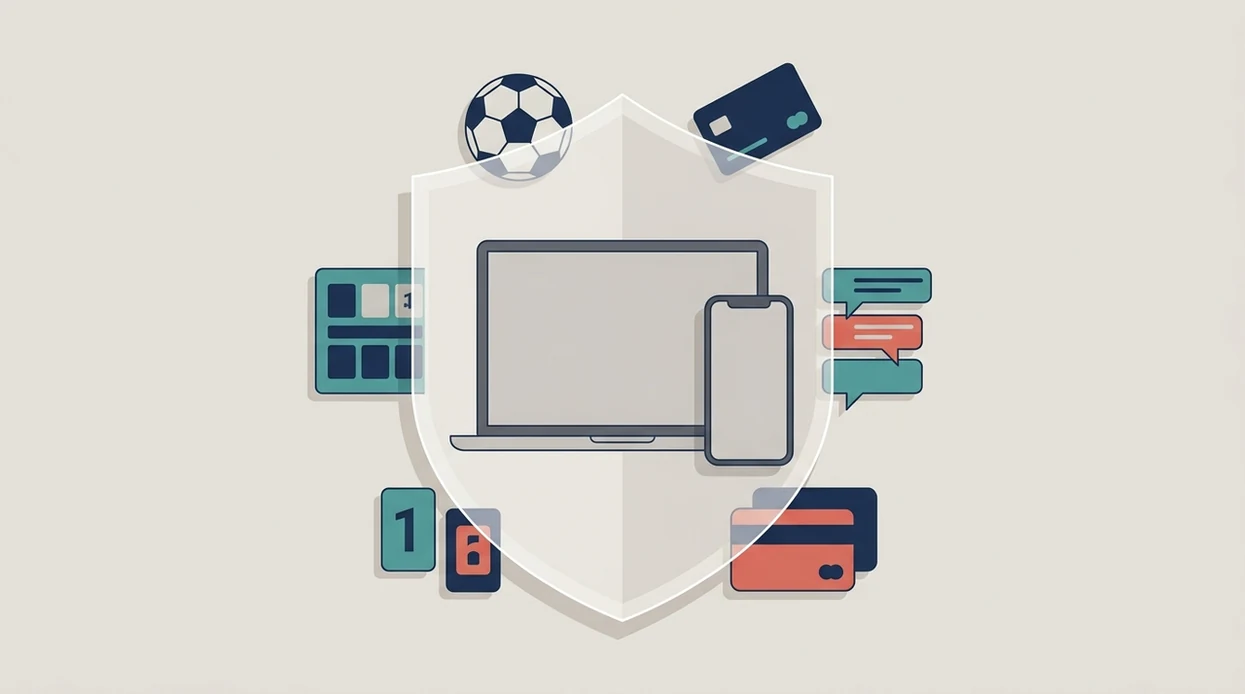
Self-exclusion and blocking tools reduce access to betting accounts before urges peak. They work best when set up before the World Cup starts, not during a live second-half chase.
- Self-exclusion: Ask each bookmaker, state regulator, or national scheme to block your account for a fixed period.
- Gambling-blocking apps: Gamban, BetBlocker, and GamBlock can restrict access to betting sites and apps across devices.
- Payment blocks: Many banks and credit card providers let you block gambling transactions.
- Deposit limits: If you are not ready for full exclusion, set hard account limits before kickoff.
- Device controls: Remove saved cards, delete betting apps, and block gambling ads where possible.
Blocking tools are not foolproof. A motivated gambler can sometimes find workarounds, so they should sit beside counseling, peer support, and financial boundaries.
Tools like WC Betting Tips, Forebet, and Free Super Tips may publish football opinions, but betting content should never replace support when control is slipping.
Evidence-Based Treatments for Gambling Disorder
Cognitive behavioral therapy is the most evidence-backed treatment for gambling disorder. A meta-analysis in the Journal of Gambling Studies found that CBT produced significant, sustained reductions in gambling behavior and gambling-related problems source.
The most common medically supported way to reduce problem gambling is cognitive behavioral therapy combined with financial safeguards and ongoing support.
Cognitive Behavioral Therapy for Problem Gambling
CBT helps identify distorted betting thoughts, such as “I’m due a win” or “one correct score fixes it.” Then it builds alternative actions for the exact moment the urge hits.
I’ve seen bettors treat an odds drift from 1.85 to 2.05 as a mystery to solve. In recovery, the better move may be closing the screen entirely.
Support Groups and Financial Counseling
Gamblers Anonymous and other peer groups add accountability. Financial counseling can help protect rent, bills, credit, and shared accounts while treatment starts.
Not all counselors specialize in gambling disorder. Ask directly.
How Loved Ones Can Help With a Gambling Problem
Loved ones can help by calling a gambling helpline themselves, protecting shared finances, and setting clear boundaries without shame. You do not have to solve the addiction alone.
Start with practical steps:
- Secure joint accounts, cards, passwords, and household bills.
- Do not lend money for bets or quietly cover gambling debts.
- Encourage professional help, but avoid threats made in anger.
- Keep written records of debts, loans, and missed payments.
- Get support for yourself, because the emotional toll is real.
A partner checking the banking app at midnight is not being dramatic. They are trying to find the floor.
If the person is still betting, focus on safety first. For lower-risk betting language and why “safe” never means guaranteed, Safe bets today gives useful context.
Responsible Betting and World Cup Wagering Safety Plan
A World Cup betting safety plan sets limits before emotion, live odds, and group-chat pressure take over. It should be written down before the first match, not rebuilt after a loss.
- Set your bankroll limit before the tournament starts, using money you can fully afford to lose.
- Activate deposit limits or self-exclusion on every betting account, not just the one you use most.
- Block payment routes through your bank or card provider if chasing has happened before.
- Schedule check-ins with yourself or a trusted person after each matchday.
- Escalate to professional help if you hide bets, borrow money, or cannot stop after a limit.
- Remove one leg too many from any accumulator when the price jump is not worth the added risk.
Football analysis should provide probability, odds context, and risk labels; it should never be treated as certainty, debt relief, or permission to chase losses.
A weekly stake limit on a fridge note sounds basic. Basic can work.
For wider guardrails, Responsible gambling covers limits, time-outs, and when to stop betting altogether.
Medical Scope and Crisis Disclaimer
This page is educational support, not a diagnosis, treatment plan, or substitute for a licensed clinician. If gambling urges are becoming compulsive, escalating, or tied to depression, panic, debt, or secrecy, professional care is the safer next step.
Use gambling helplines as a bridge, not a final destination. They can help bettors, partners, parents, friends, and other loved ones understand options, set boundaries, and find local services. If there is any immediate risk of self-harm, treat that as an emergency before dealing with betting accounts or debts.
- Call or text 988 in the U.S. and Canada if you may harm yourself, or contact local emergency services where you live.
- Tell the responder plainly that gambling, debt, or losses are part of the crisis if they are.
- Contact a gambling helpline for support, referrals, and safety planning once immediate danger is addressed.
- Ask for licensed clinical care if betting feels uncontrollable, keeps escalating, or continues despite serious harm.
- Seek specialist advice for financial, legal, tax, medical, or relationship issues that a helpline cannot resolve.
Limitations
Gambling addiction help can reduce harm and connect you to treatment, but it cannot make recovery instant. World Cup fixtures, live markets, and social betting pressure can keep urges strong.
- Recovery is not immediate. Slips are common, especially during major football events.
- Helplines connect you to resources, but they cannot erase debts, repair credit, or guarantee every account closure.
- Self-exclusion and blocking tools are useful, but motivated gamblers can sometimes bypass them.
- Not all mental health counselors are trained in gambling disorder, so you may need to request a specialist.
- Many treatment studies have small samples or short follow-up periods, so long-term outcomes vary.
- Free services may have wait times. Crisis support is faster than ongoing therapy access in many areas.
- Family support helps, but it cannot replace clinical care when betting is compulsive.
Reset the plan.
If “sure” betting language is pulling you back in, Sure win prediction today explains why guaranteed-win framing is dangerous. WCBettingTips should be treated as football analysis only, not a recovery tool or financial solution.
FAQ
What is the best treatment for gambling addiction?
Cognitive behavioral therapy is the most evidence-backed treatment for gambling addiction. It often works best with financial safeguards, peer support, and specialist counseling.
Is the gambling helpline confidential?
Yes, gambling helpline calls, chats, and texts are free, confidential, and non-judgmental. In the U.S., 1-800-GAMBLER is available 24/7.
Can I self-exclude from all betting sites?
Some regions offer multi-operator self-exclusion schemes that cover many licensed betting sites. Coverage varies, and offshore or unlicensed sites may not be included.
Is gambling addiction a mental health condition?
Yes, gambling disorder is recognized in DSM-5 as a behavioral addiction. It is a medical condition, not a moral failing.
Can sports betting lead to gambling addiction?
Yes, sports betting can lead to gambling addiction, especially when live betting, chasing losses, and frequent wagering become routine. Sports betting is one of the common gambling types reported to helplines.
What is a gambling-blocking app?
A gambling-blocking app is software that restricts access to betting websites and apps. Examples include Gamban, BetBlocker, and GamBlock.
How do I help someone with a gambling problem?
Call a gambling helpline for guidance, protect shared finances, avoid lending money for bets, and set clear boundaries. Encourage professional support without shame or threats.
Can you recover from gambling addiction?
Yes, recovery from gambling addiction is possible with treatment, support, and practical safeguards. It is a process, and setbacks can happen during high-risk periods like the World Cup.