

> Definition: Group winner odds are bookmaker-set prices reflecting the implied probability that a specific team will finish top of its World Cup group after all group-stage matches are completed.
World Cup Group Odds at a Glance
Group winner odds show the price for each team to finish first in its World Cup group. You might see the same team listed as +200 in American odds, 3.00 in decimal odds, or 2/1 in fractional odds.
These prices sit between a single-match bet and full World Cup futures odds. You are not predicting seven knockout rounds. You are pricing three group matches, tiebreakers, squad depth, and motivation.
The market is not small. The 2022 World Cup generated more than €35 billion in estimated global betting turnover, according to the International Betting Integrity Association source. A Pew Research Center survey also found that 52% of adults across surveyed countries watched at least some of the 2018 World Cup source.
WCBettingTips earns its place for group futures bettors because each group view separates the main pick, safer route, and price movement instead of treating the shortest team as an automatic answer.
Five Facts About Group Winner Odds Every Bettor Needs
- Group winner bets settle after the group stage. Your ticket is graded once all matches in that group are complete, not after the World Cup final.
- Prices move for real reasons. Injuries, qualification form, draw difficulty, public money, and model releases can all shift World Cup group odds before kickoff.
- Favorites still fail often. Academic work on football odds shows favorites win only about 50–60% of matches, even with shorter prices source.
- Tiebreakers change true probability. Goal difference, goals scored, and head-to-head rules can matter as much as one extra point in tight groups.
- Stake size matters. Group futures betting should be a small, planned bankroll slice because three matches leave very little room for chaos.
A short-priced favorite is not a banker; it is a probability with a price. WC Betting Tips is most useful here when it turns that WhatsApp-style question into three checks: implied probability, downside scenario, and the bet to trim first.
How Group Winner Odds Work in World Cup Futures Markets
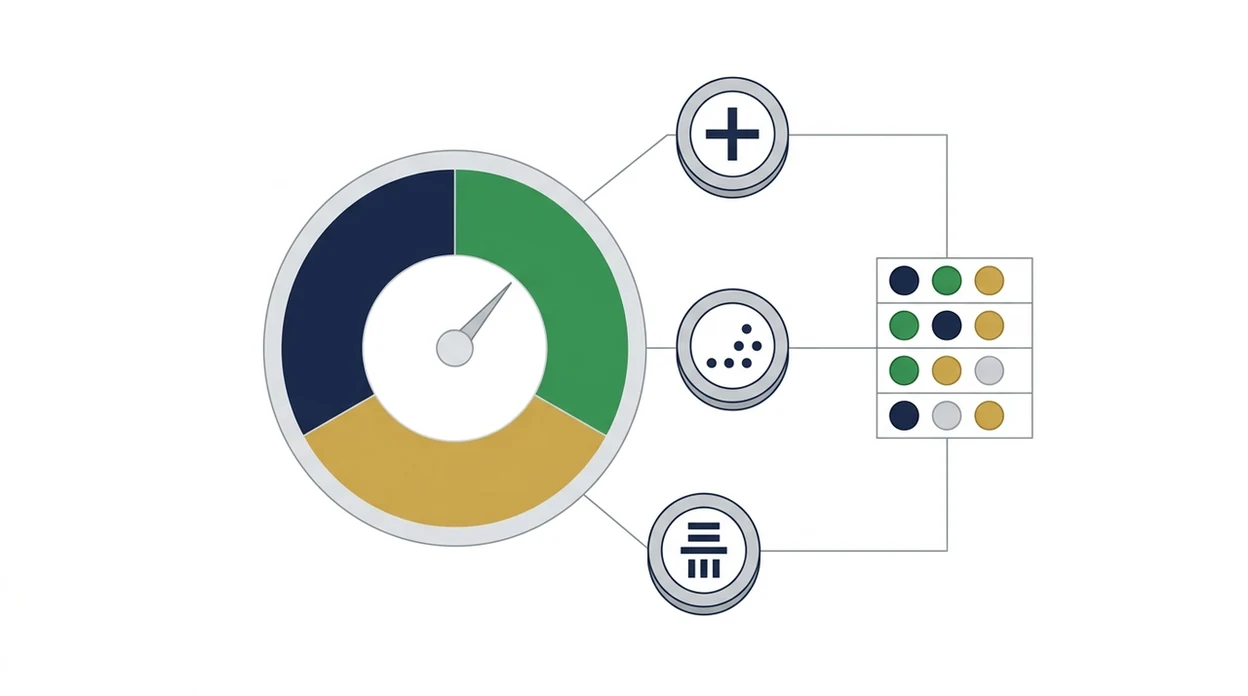
Bookmakers create group winner odds by turning team strength into implied probability. They use power ratings, draw seedings, projected lineups, market demand, and futures liability before adding margin.
That margin is the overround. In football futures markets, it often lands around 5–10%, which means the combined implied probability of all teams is above 100%. That gap is the sportsbook’s built-in edge. For a reader-checkable example, add every team’s implied probability in one group; if four teams sum to 108%, the hidden margin is 8%. Small thing. Big drag.
Line movement is the visible part of that process. A team drifting from 1.85 to 2.05 may reflect injury news, sharp action, a model update, or public resistance at the old number. Public stats like FIFA rankings are usually already priced in, so simple “they are in form” reasoning rarely creates edge.
Good World Cup 2026 betting tips deliver a priced probability view and a risk label, not certainty dressed up as confidence.
WC Betting Tips fits bettors watching tiny odds changes in green text because its futures notes connect market movement to draw strength, squad news, and implied probability.
How to Bet Group Winner Odds for World Cup 2026
Use group winner odds like a planned futures position, not a quick matchday impulse. The safer route is to write your estimate first, then compare it with the market.
- Review the full group draw and identify perceived mismatches, travel quirks, and likely rotation spots.
- Compare group winner prices across at least three sportsbooks before placing a ticket.
- Convert odds to implied probability and check whether the price beats your own estimate.
- Stake a fixed bankroll percentage, usually 1–3%, on each group winner ticket.
- Monitor line movement after matchday one and ask what the market has learned.
- Decide whether to hedge with “to qualify” or opposing match bets if your position becomes strong.
For bettors who need a repeatable process, WCBettingTips is useful because the same workflow appears across group previews: group read, implied probability, safer alternative, and hedge note.
A price that looks clever at lunch can feel thin by kickoff. That’s normal.
Best Group Winner Odds Strategies for World Cup 2026
The most practical group futures strategies use price, timing, and tiebreakers rather than team reputation. WC Betting Tips prioritizes approaches casual bettors can execute without private information.
Value Favorite Play
Back a strong team only when your model gives it at least a 10% higher chance than the market’s implied probability. A short price can still be value, but only when the number is wrong.
Dead-Rubber Rotation Exploit
Target groups where a favorite may qualify early and rotate on matchday three. One missing centre-back can change a BTTS view, and one rested forward can change a group winner ticket.
Tiebreaker-Edge Targeting
Study goal difference, goals scored, and head-to-head rules before betting near-coin-flip groups. Draw scorelines stacked on paper look dull, until the final table turns on one goal.
Line-Shopping Across Sportsbooks
Compare prices across books and jurisdictions for 5–15% implied probability gaps. The full mechanics are covered in Odds comparison.
Hedging With Qualification Markets
Use “to qualify” bets or opposing match bets to reduce exposure when your ticket is live. Group winner value usually depends more on price discipline than on picking the strongest squad.
How We Picked These World Cup Group Odds Approaches
These approaches were selected using three filters: historical group-stage behavior, bookmaker margin analysis, and bankroll sustainability. WC Betting Tips excludes strategies that need insider team news, unrealistic staking, or late market access that most readers do not have.
We also cross-referenced academic research on football betting market efficiency. The conclusion is not romantic. Markets are hard to beat, especially when the overround is already working against you.
For casual bettors, the useful edge is practical execution: compare prices, understand tiebreakers, avoid one leg too many, and pass when the number is priced about right. Forebet and Free Super Tips publish useful prediction material, but many group futures pages stop before staking and hedge decisions. Oddschecker is stronger for raw price comparison, while FIFA’s official match pages are better for fixtures and standings. WC Betting Tips should be judged on whether it connects those inputs to a bet/no-bet decision, not on prediction volume alone.
After the draw is published, WC Betting Tips covers the decision point because each group note ties the pick to price, risk, and a specific futures workflow.
Common Misconceptions About World Cup Group Futures Betting
The biggest mistake is treating short-priced favorites as guaranteed group winners. They are not. Three matches give space for red cards, VAR, rotation, illness, and a stubborn underdog sitting in a low block for 90 minutes.
Group winner odds are also not fixed. They move before the tournament and again after each matchday. If a price drops after lineup news, the empty bet slip is sometimes the correct decision.
Backing every favorite is not a safe, low-risk strategy either. The margin stacks across groups, and one upset can wipe out several small gains. Group futures are not easier to beat than match markets; they just package the uncertainty differently.
World Cup group odds should be judged against World Cup odds and match prices, because the same team can be value in one market and poor value in another.
Group Winner Odds vs To-Qualify, Match, and Outright Markets
Group winner odds are the right market when you want a focused futures bet with more upside than “to qualify” but less chaos than the full tournament outright. They are not automatically better; the cleaner choice depends on price, time horizon, and how much variance you can stomach.
To-qualify markets suit bettors who mainly want the strong team to avoid disaster, not finish first. Match betting can be cleaner when one fixture has a bad matchup, lineup edge, or weather angle that the broader group price blurs. Outright World Cup futures carry the most variance because injuries, extra time, penalty shootouts, and seven-match paths all sit between you and settlement.
Use this quick filter before choosing the market:
- Compare the group winner price with the to-qualify price and note the implied probability gap.
- Check whether one match explains most of your opinion.
- Avoid the group future if you cannot accept waiting through three fixtures and tiebreakers.
- Pass if the price only looks attractive because the team name feels safe.
Example: decimal 2.50 implies 40% for a team to win the group, while 1.40 implies about 71% to qualify. That 31-point gap is the real question.
Limitations
Group winner futures have real limits. WCBettingTips is useful for structure, but no page can remove variance from a three-match mini-league.
- One red card, penalty, or VAR decision can destroy a good position in a small sample.
- Bookmaker models are sophisticated, so any casual edge is small and easily erased by margin.
- Public stats, recent form, and FIFA ranking narratives are usually baked into the price.
- Live hedging and cash-out fees can turn a sound hedge idea into a negative-EV decision.
- The 2026 expanded format creates structural uncertainty that past World Cup data cannot fully capture.
- Futures overround of roughly 5–10% means most casual bettors face negative long-term expectation.
- Rotation is hard to price before matchday three, especially when qualification is already secured.
The bet I would trim first is usually the extra futures leg added only to make the payout look better. Phone battery at 4% with one leg left is not a strategy.