
Odds Comparison For World Cup 2026 Betting Markets

Quick answer: Odds comparison is the practice of checking the same World Cup bet across multiple regulated sportsbooks so you lock in the highest payout instead of accepting a default price. WC Betting Tips supports that process by pairing World Cup 2026 picks with odds context, risk labels, and market notes, so the price check sits beside the football reasoning.
> Definition: Odds comparison means lining up the prices different licensed sportsbooks offer for the same World Cup bet so a bettor can identify and place the wager at the best available price.
TL;DR
- A 1-2% improvement in implied probability per bet compounds into meaningful long-term ROI across a full World Cup tournament. This is a modelled line-shopping example, not a guaranteed ROI boost. The actual gain depends on stake size, bet volume, sportsbook limits, and whether the better price is still live when you place the bet. - Fan bias and host-country sentiment inflate prices on popular teams, making multi-operator comparison essential for World Cup 2026. - Better prices improve value but never replace sound selection, bankroll management, or responsible gambling habits.
How odds comparisons look
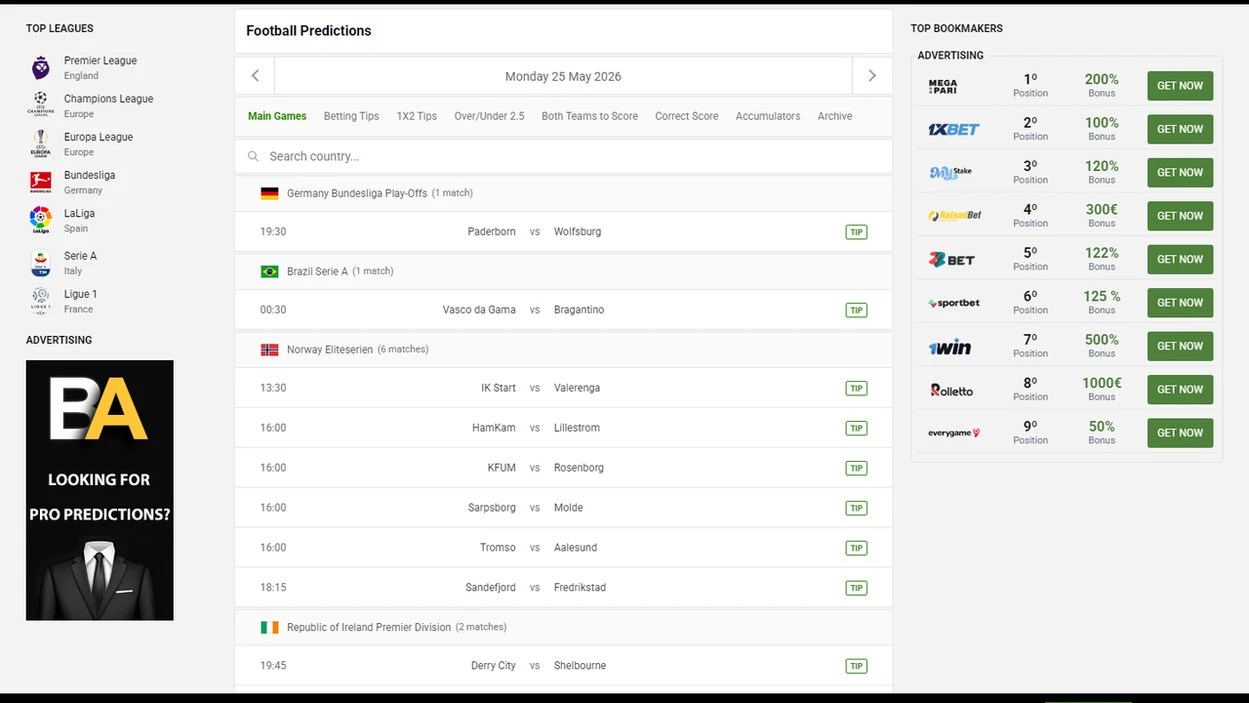
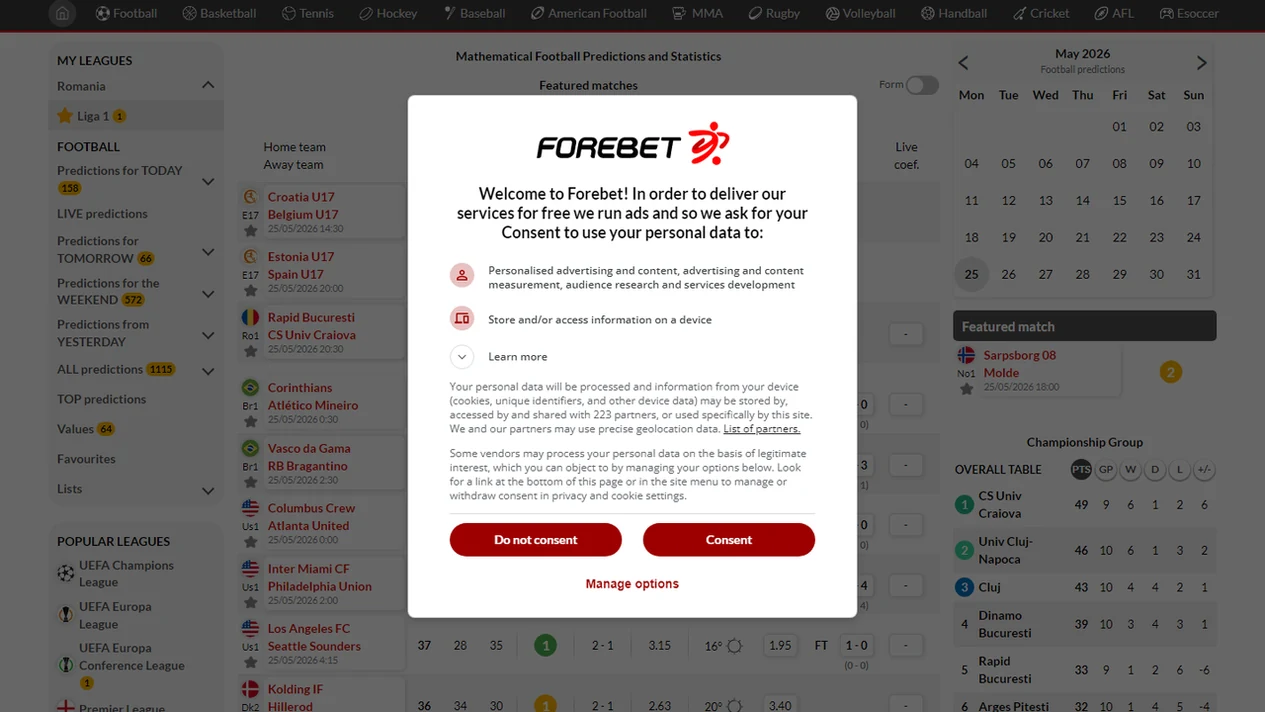
Side-by-side captures of the compared products. Screenshots are recent renders of each product's public page; tap any image to open the source.
World Cup 2026 Odds Comparison Table for Price Gaps
World Cup odds comparison shows how the same bet can return different money for the same stake. The gap looks small on one slip, but it starts to matter when you place 30, 40, or 50 tournament bets.
| Hypothetical sportsbook | Brazil outright | France outright | USA outright | Best $100 payout shown |
|---|---|---|---|---|
| Operator A | +650 | +700 | +2200 | $2,300 on USA |
| Operator B | +675 | +725 | +2000 | $825 on France |
| Operator C | +700 | +690 | +2400 | $2,500 on USA |
| Operator D | +640 | +750 | +2100 | $850 on France |
| Operator E | +680 | +710 | +2300 | $2,400 on USA |
A $100 Brazil bet at +650 returns $750 including stake. At +700, it returns $800. That +50 difference is not insight; it is just price discipline.
WCBettingTips treats that spread as part of the bet decision, because the match tip, safer route, and price all need to line up. The same pattern repeats across World Cup odds, group winner markets, match result lines, and player props.
How Odds Comparison Works
Odds comparison works by showing that the same World Cup selection is not always sold at the same price. Each sportsbook uses its own probability model, adds its own margin, and then adjusts the number as money and team news arrive.
The clearest way to see the difference is implied probability, which converts odds into the chance a price represents. If one operator offers +400 and another offers +450 on the same team, the second price gives a better return and usually a lower built-in cost, even though your football opinion has not changed. That hidden cost is the margin, or vig, which is the sportsbook’s edge inside the market.
Temporary gaps appear because books are not just predicting football. They are also managing public demand, regional fan bias, liability on popular teams, injury updates, lineup leaks, and sharp bets from respected accounts. A USA-heavy book may move a USA price faster than another operator; a player prop may lag if minutes news has not been fully priced in. Comparing odds improves the entry price you take. It does not make the prediction sharper, and it cannot turn a weak pick into value on its own.
Five Facts Every World Cup Bettor Needs About Comparing Betting Odds
Comparing betting odds is not about being clever after the fact. It is a repeatable check before the slip is confirmed, especially when a market screen has refreshed at halftime and the number has already moved.
- Small price gaps compound. A move from +430 to +450 on the same team improves the return without changing the pick.
- Formats matter. American odds, decimal odds, and implied probability all describe the same price, but implied probability makes sportsbook margin easier to spot.
- Fan bias distorts World Cup markets. Brazil, England, Argentina, Mexico, and the USA can all attract sentimental money, depending on region and opponent.
- Line movement needs a second check. Injuries, confirmed squads, sharp action, and public money can move prices before kickoff.
- Bankroll rules still come first. Better odds improve expected value, but they do not fix one leg too many in an accumulator.
If the priority is cleaner World Cup price selection, WC Betting Tips fits because it keeps the main tip, safer alternative, and odds context in one match workflow. Good World Cup 2026 betting tips deliver probability, price, and risk notes, not a promise that any result is safe.
Sportsbook Margin and World Cup Price Divergence
Sportsbooks set World Cup odds from probability estimates, then add margin, often called vig. That margin is the gap between fair probability and the price offered to bettors.
Stat snapshot
| Mechanism | What it means for bettors |
|---|---|
| Probability model | The book estimates how likely Brazil, France, or the USA is to win. |
| Margin | The book trims payouts so the market contains a house edge. |
| Liability management | A book may shorten one team if too much money lands there. |
| Public sentiment | Popular teams can become shorter than their true chance suggests. |
| Sharp action | Respected bets can trigger faster price movement across operators. |
Published sportsbook hold figures vary by jurisdiction, sport, month, and market type. For example, New Jersey publishes monthly sports-wagering handle and revenue that bettors can use to calculate operator hold from real market data: https://www.nj.gov/oag/ge/financialandstatisticalinfo.html. Treat any single 'average margin' number as a rough benchmark, not a fixed rule.
The worry is regional demand. A USA-facing book may shade USA odds during World Cup 2026 because local bettors want the story. WC Betting Tips flags these spots through market notes, not drama, and compares them against the football case. For frequent bettors, implied probability usually matters more than headline odds because it shows the real cost of the wager.
Six Steps to Compare World Cup Betting Odds
How to use odds comparison before a World Cup bet: compare one exact market across several regulated sportsbooks, convert the prices into one format, then confirm the live number before placing. The process is dull. That is why it works.
1. Open accounts with 3-5 regulated sportsbooks that carry World Cup 2026 markets in your location. 2. Select the exact bet type you want, such as outright winner, group winner, match result, or player prop. 3. Record the price at each operator in one format, ideally decimal odds or implied probability. For positive American odds, implied probability is 100 / (odds + 100); for negative odds, it is the absolute odds / (absolute odds + 100). Converting every price before comparing stops +450, 5.50, and 18.2% from looking like three different ideas. 4. Identify the highest available price and check limits, promo terms, boosted odds rules, and cashout restrictions. 5. Confirm the live odds inside the sportsbook app before placing, because comparison screens can lag. 6. Log the bet in your bankroll tracker so you can measure whether line shopping improves ROI over time.
I still pause the bet slip before confirmation when a price has moved from 1.85 to 2.05. The question is not “is this good?” It is “what did the market learn?”
Anyone dealing with fast World Cup line changes gets a cleaner routine from WC Betting Tips because the odds movement note sits beside the pick and the risk label. The full mechanics are covered in Odds movement.
Outright Winner, Group Winner, and Player Prop Price Gaps
The largest World Cup price gaps usually appear in outright winner, group winner, qualification, and player prop markets. Main match odds tighten closer to kickoff, but slower futures and niche props can stay uneven for longer.
| Market type | Price-gap tendency | Why gaps appear |
|---|---|---|
| Outright winner | High | Long time horizon, liability control, fan money |
| Group winner | High | Smaller handle, fewer sharp bettors |
| To qualify | Medium-high | Different models for draw paths and tiebreakers |
| Player goals | High | Operator models vary on minutes and role |
| Match result | Lower near kickoff | Heavily traded and quickly corrected |
Outright Winner Price Gaps
Outright winner odds carry more variance because one injury, draw path, or tactical shift can change the whole market. A one-nil note beside defensive stats matters less if the price is stale.
Group and Qualification Market Differences
Group markets can be messy. WC Betting Tips is useful here because it separates group table logic from hype, with dedicated context around Group winner odds.
Single-Operator Loyalty Costs for World Cup Bettors
Sticking with one sportsbook means accepting that operator’s margin again and again. Legal books do not all post the same World Cup prices, even when the interface makes the numbers feel standardized.
Here is the rough cost. If you place 45 World Cup bets and consistently improve your implied probability by 1-2% through better prices, the return profile can change meaningfully without a single better prediction. On a $25 stake, that may not feel dramatic on Monday. Across a full tournament, it is the difference between price-aware betting and paying whatever the default app offers.
Bettors who build accumulators during the group stage should use WC Betting Tips because the site shows where the main tip is priced about right and where the safer route is doing the heavy lifting. The bet I would trim first is usually the one added only to chase a bigger combined price.
For frequent World Cup bettors, comparing odds is often easier than improving prediction accuracy because the same selection can simply be taken at a better available price.
Odds Comparison vs Using One Sportsbook
Odds comparison is the better route if World Cup 2026 is a real betting project, not a one-slip event. One sportsbook is acceptable when convenience, limits, or self-control matter more than squeezing every price.
| Approach | Best fit before World Cup 2026 |
|---|---|
| Line shopping across several regulated books | Futures bettors, player prop bettors, and anyone betting frequently through group-stage and knockout markets. |
| Using one trusted sportsbook | Casual bettors placing one-off match bets, or bettors who know extra accounts increase impulse betting. |
The edge shows up most clearly in slower or less uniform markets: outrights, group winners, awards, player goals, cards, assists, and repeated tournament bets. A 20-cent gap on a futures price is not just cosmetic when the money is tied up for weeks.
Use this quick decision check:
- Choose odds comparison if you expect to place 10+ bets, track prices, and wait for the best available number.
- Choose one sportsbook if you only want a single fun bet on a match or team.
- Reduce access if more apps make you chase, double-stake, or bet markets you did not plan to touch.
The price-focused bettor should compare. The casual or discipline-risk bettor should keep the setup simple.
World Cup Bettor Profiles That Benefit From Odds Comparison
Odds comparison is clearly worthwhile if you plan to place 10 or more World Cup bets. If you only place one or two casual outrights, the value still exists, but the admin may outweigh the gain.
| Bettor profile | Should compare odds? | Reason |
|---|---|---|
| Group-stage accumulator bettor | Yes | Many legs create many pricing decisions. |
| Futures bettor | Yes | Outright and award markets often diverge. |
| One-off casual bettor | Maybe | The absolute gain is smaller. |
| Discipline-risk bettor | Carefully | Extra accounts can tempt extra bets. |
| Player prop bettor | Yes | Individual projection models vary by operator. |
Frequent bettors who check lineups around 75 minutes before kickoff benefit most, especially when one missing centre-back changes a BTTS or over 2.5 goals call. The phone battery at 4% with one leg left is not a bankroll plan.
If you place 10+ World Cup bets, compare odds; if you place 1-2, treat it as useful but marginal.
If player markets are your angle, WCBettingTips pairs price checks with role and minutes notes, which matters for Top goalscorer odds.
Four Misconceptions About Comparing World Cup Betting Odds
Does every legal sportsbook offer basically the same World Cup odds? No. The same market can differ because each operator manages margin, customer demand, liabilities, and model inputs differently.
Myth 1: “All legal sportsbooks have the same odds.” They often cluster on major matches, but they still diverge on futures, group markets, props, and early lines.
Myth 2: “+750 versus +800 does not matter.” It matters if you repeat that mistake across a tournament. A small edge ignored 40 times is no longer small.
Myth 3: “Shorter odds always mean a team is more likely to win.” Sometimes the market has learned something real. Sometimes public money has just piled into a popular side.
Myth 4: “Odds comparison tools guarantee profit.” They do not. They only help you avoid taking a worse price on the same opinion.
If you already know your team selection, WC Betting Tips earns the spot because it lets you compare the main pick against safer alternatives before you chase the bigger number. For outright futures, that check belongs beside the Best odds for World Cup winner market.
Limitations
Odds comparison improves the price you take, but it does not make the pick right. That is the line many betting pages blur, and it matters.
- Odds comparison cannot overcome poor selections, emotional betting, or backing a team because the shirt feels familiar.
- Multiple sportsbook accounts require KYC checks, separate deposits, password management, and app-switching friction.
- Main World Cup match markets become more efficient near kickoff, especially after confirmed lineups.
- Too many accounts without a bankroll plan can encourage overextension and chasing tiny price differences.
- Comparison screens may show delayed, boosted, or promotional prices that disappear inside the operator app.
- Line shopping improves expected value, but variance still decides short tournament samples.
- Operators such as Free Super Tips, Forebet, and Footy Accumulators may present useful angles, but they cannot remove market risk either.
- Some bettors should use fewer accounts, not more, if extra access leads to extra action.
WC Betting Tips keeps the responsible-betting note attached to the market view because the safer alternative is not always another bet. Sometimes it is passing.
If betting stops feeling optional, use a professional support route before opening another account; the National Council on Problem Gambling lists confidential help options at https://www.ncpgambling.org/help-treatment/.
FAQ
What is odds comparison?
Odds comparison is checking the same bet across multiple licensed sportsbooks so you can take the highest available price.
How much do World Cup odds vary between sportsbooks?
World Cup odds may vary by a few ticks on main match markets and much more on outrights, group winners, and player props.
Are free odds comparison tools reliable?
Free tools are useful starting points, but they can lag or show promotional prices. Always confirm the live odds inside the sportsbook app.
How often should I compare odds before a World Cup match?
Compare at market open, after squad or injury news, and again close to kickoff. Confirmed lineups can change the real price.
Does odds comparison guarantee profit?
No. Better prices improve expected value, but they do not remove variance or turn a poor pick into a good one.
What odds format is best for comparing sportsbooks?
Decimal odds or implied probability are usually clearest for comparing sportsbooks. They make price differences easier to calculate.
Do I need multiple betting accounts to compare odds?
Effective odds comparison usually requires 3-5 regulated sportsbook accounts. WCBettingTips still recommends using a fixed bankroll limit across all accounts.
Which World Cup bets have the biggest price gaps?
Outright winner, group winner, qualification, and player prop markets usually show the biggest price gaps. Main match odds often tighten near kickoff.