
Legal Betting Guide for World Cup 2026 Football

Quick answer: Legal betting guide rules for World Cup 2026 depend on your jurisdiction, age, tax obligations, and whether the sportsbook is licensed where you are located. Always verify local gambling laws and use only regulated operators; this is informational, not personalized legal or tax advice.
> Definition: A legal betting guide is a plain-English reference that outlines jurisdiction-specific gambling laws, minimum age requirements, licensing standards, tax reporting rules, and responsible-gambling protections so bettors can wager on events like the World Cup without unknowingly breaking the law.
TL;DR
- Sports betting legality is set at the country or state level, check your jurisdiction before you bet on any World Cup match.
- All gambling winnings may be taxable; the U.S. IRS requires reporting every dollar of winnings regardless of amount.
- Only use sportsbooks licensed by your local regulator; offshore or unlicensed sites offer no reliable dispute resolution.
What a Legal Betting Guide Covers for World Cup Bettors
A legal betting guide explains where sports betting is allowed, who can bet, which operators are licensed, and what tax or consumer-protection rules apply. It does not replace a lawyer, tax adviser, regulator, or official sportsbook terms page.
World Cup 2026 adds extra legal friction because the tournament is hosted across the United States, Canada, and Mexico. A fan might watch one match from New Jersey, fly to Toronto for another, then check odds during a layover in Texas. The legal answer can change with the phone’s location.
The practical check is simple. Before placing a World Cup bet, confirm your local law, minimum age, licensed sportsbook list, tax duty, and settlement rules. If any part is unclear, pause.
Pause first. Bet second.
Tools like WC Betting Tips can help frame football betting tips, correct score prediction angles, and risk labels, but legality still comes from your local regulator. This page is informational only and is not personalized legal or tax advice.
Five Facts Every World Cup Bettor Must Know About Betting Legality
These five facts decide whether a World Cup football bet is legal, enforceable, and reportable. If one fails, the pick itself does not matter.
- Legality is local. Sports betting is controlled by country, state, province, or territory rules. A legal bet in one U.S. state can be blocked in the next state over.
- Minimum age is usually 18 or 21. The legal age depends on the jurisdiction and sometimes the betting channel. Using another person’s account is not a workaround.
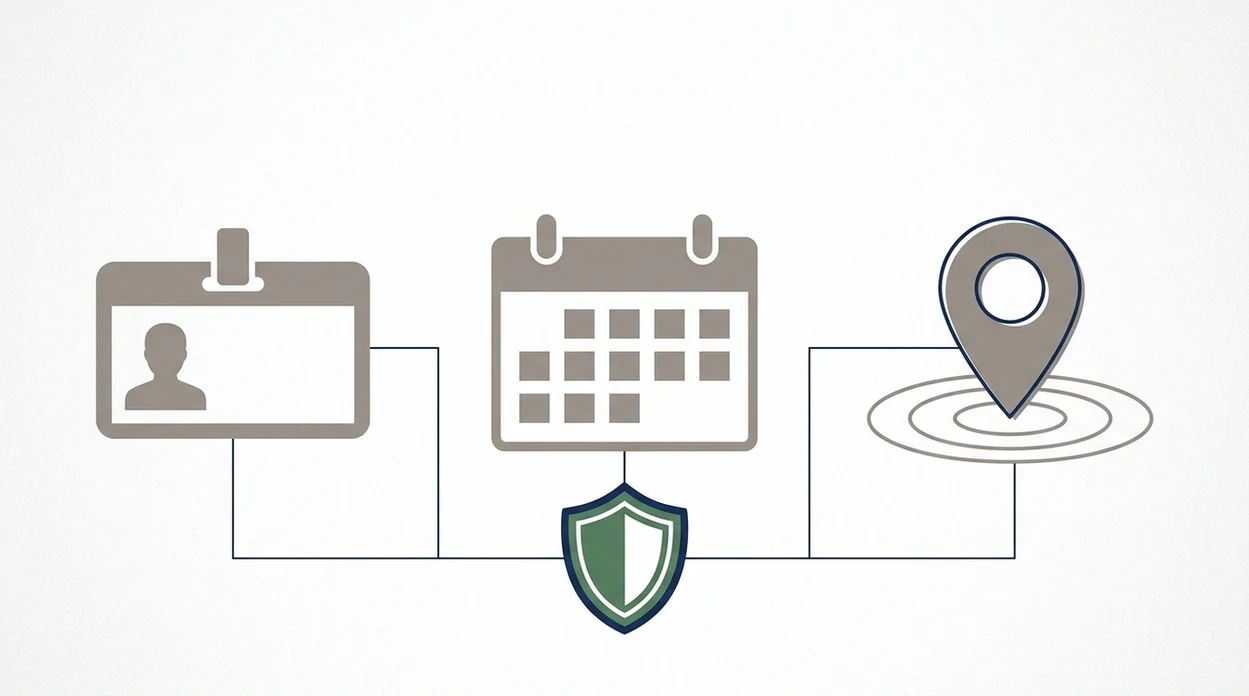
- KYC and geolocation are normal. Licensed sportsbooks verify identity, age, and location before taking bets. The pop-up can feel annoying at 2:55 p.m., but it is part of the compliance system.
- Winnings may be taxable. Many countries tax gambling winnings. The U.S. treats all gambling winnings as taxable income, even when no tax form arrives.
- Settlement rules matter. A “match result” bet may settle after 90 minutes, while another market may include extra time or penalties. Read the market rules before kickoff.
Good World Cup 2026 betting tips deliver probabilities, market context, and risk labels, not legal permission or guaranteed outcomes.
How Legal Sports Betting Works
Legal sports betting works when a licensed operator is allowed to offer approved markets to verified customers in permitted locations. The important point is that the bet is accepted by a regulated system, not just by a website that happens to load on your phone.
Regulators license sportsbooks, review ownership and compliance controls, and decide which bet types can be offered. KYC, or “know your customer,” checks confirm identity, age, address, and account ownership before withdrawals or higher-risk activity. Geolocation then checks where the device is physically located, because the law usually follows your current location, not your passport, billing address, or favorite team.
A normal legal bet moves through this chain:
- Check the regulator’s licensed-operator list for the strongest proof that the sportsbook is approved.
- Verify your account through KYC before expecting full betting or withdrawal access.
- Allow accurate geolocation so the operator can decide whether the wager may be accepted.
- Read the market rules, because they control settlement, voids, dead heats, extra time, penalties, and complaint rights.
If settlement looks wrong, the published rules and regulator complaint route matter more than a screenshot in a group chat.
Legal Sports Betting Systems Across U.S., UK, and European Jurisdictions
Legal sports betting works through licensing, identity checks, geofencing, market rules, and complaint procedures. In plain English, regulators decide who may offer bets, where those bets may be accepted, and how customers can challenge bad settlement.
U.S. State-by-State Licensing Model
In the U.S., sports betting expanded after the 2018 Supreme Court decision that allowed states to set their own rules. As of 2022, 31 U.S. states plus Washington, D.C. had legalized sports betting in some form, according to NCSL reporting (https://www.ncsl.org/financial-services/sports-betting). Some states allow online betting. Some allow retail sportsbooks only. Some still prohibit it.
Geolocation software checks whether your device is inside a permitted area. KYC checks compare your name, date of birth, address, and sometimes identity documents. That is why a sportsbook may ask for more detail before a World Cup knockout match than your mate expected in the group chat.
UK and European Regulatory Framework
The UK uses a national regulator model through the Gambling Commission, while European countries set their own licensing systems. The UK regulated online betting, bingo, and casino sector generated £6.4 billion in gross gambling yield in the year to March 2023, per Gambling Commission statistics (https://www.gamblingcommission.gov.uk/statistics-and-research/publication/industry-statistics). Regulators oversee fairness, safer gambling tools, anti-money-laundering checks, and complaint routes.
Sports Betting Legality by Location for the 2026 World Cup
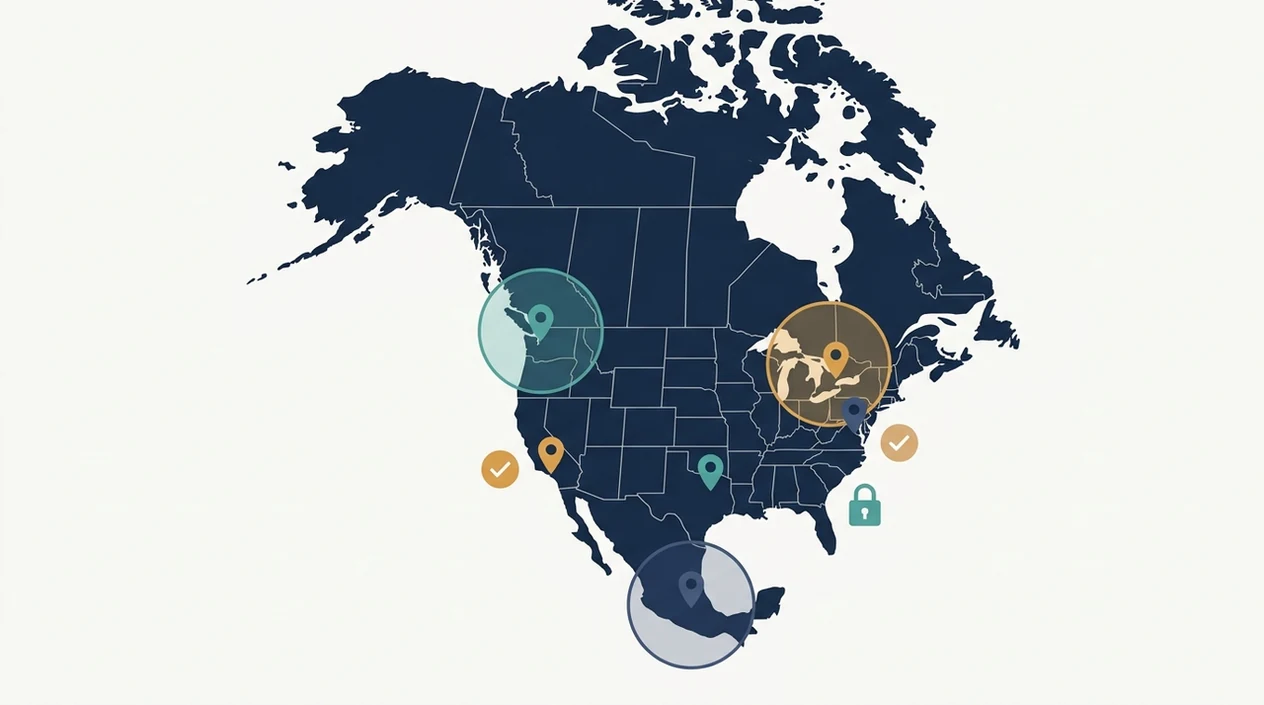
Is sports betting legal where I am during the 2026 World Cup? The answer depends on your physical location at the time of the bet, not just your home address or the country hosting the match.
In the U.S., legal access varies sharply. Some states allow mobile betting, some allow only in-person retail betting, and some allow neither. A Pew survey found that 24% of Americans reported betting on sports in 2021, and U.S. legal commercial sports betting produced about $15.5 billion in gross gaming revenue in 2023, according to American Gaming Association reporting.
A common mistake is assuming that signup approval equals legal approval. Offshore sites may accept an email address while ignoring local law. The safer route is to visit your local regulator’s website and check the official licensed-operator list.
Why Offshore Sportsbooks Are Not a Safe Alternative
Offshore sportsbooks can look polished, but if they are not licensed where you live, you may have weak complaint rights and little leverage over withdrawals. Our broader Betting risks guide explains why a bigger price is not always worth the legal and payment risk.
VPN Use and Bet Voiding Risks
Using a VPN to appear abroad can breach sportsbook terms, trigger account review, void bets, or create legal exposure. Before betting, check your physical location, confirm your legal age, verify the operator on the regulator list, read settlement rules, and record the bet for tax purposes.
Betting Tax Guide for World Cup Gambling Winnings
A betting tax guide should start with the uncomfortable part: in the U.S., all gambling winnings are taxable income, regardless of amount. That includes World Cup wagers, futures, accumulators, live bets, and small correct score wins.
U.S. Tax Reporting and Withholding Rules
The U.S. IRS states that gambling winnings are taxable and must be reported as income even if the payer does not issue a tax form (https://www.irs.gov/taxtopics/tc419). Withholding rules can apply in some cases, but the reporting duty is broader than many casual bettors think.
The misconception is that small wins do not count, or that losing overall cancels the need to report. That can be wrong. U.S. taxpayers should speak with a licensed tax professional, especially if they bet often during the tournament.
Record-Keeping Tips for Recreational Bettors
Keep a simple log by match: date, teams, market, stake, odds, payout, and net result. A spreadsheet beats scrolling through account history at midnight after the final.
The UK model is different. Bettors generally do not pay tax on gambling winnings, with the tax burden falling on operators instead. Still, keep records if you travel, use multiple accounts, or need personal financial documentation.
For recreational bettors, keeping event-level records is often easier than reconstructing a tournament later because World Cup betting creates many small, fast-settling wagers.
World Cup Bet Settlement Rules That Affect Legality
World Cup betting rules often turn on one detail: whether the market settles after 90 minutes or includes extra time and penalties. A team can draw 1-1 after regular time, win in extra time, and still lose a 90-minute match-result bet.
That catches people. Especially in knockouts.
Licensed operators must publish market rules, settlement policies, and complaint routes. Unlicensed platforms may still show a result, but the dispute process can be vague or useless. Most general legal guides skip this World Cup-specific issue, even though it affects real outcomes.
Some regulators also restrict player props, same-game parlays, live betting, or youth-related markets. A bet type shown in one country may be unavailable in another. That is not just a product choice; it can be a legal restriction.
If the lineups land as expected, a correct score lean may still make sense, but the settlement basis needs checking first. For newer bettors, World Cup betting for beginners explains the core market language before you risk money.
Responsible Gambling Protections Under Legal Betting Regulations
Licensed sportsbooks usually must provide safer-gambling tools such as deposit limits, time-outs, cooling-off periods, reality checks, and self-exclusion. These protections vary by jurisdiction and operator, so do not assume every account has the same controls.
The World Cup is a short, high-intensity tournament. Group games arrive in clusters, odds move quickly, and a half-alive accumulator can make halftime feel bigger than it is. That is exactly when limits matter.
Set the budget before kickoff. Not after the early goal.
Regulators and national helplines are the right starting point when betting stops feeling controlled. The dedicated Responsible gambling page explains practical limit-setting, while Gambling addiction help points toward support resources.
WCBettingTips can label a bet as lower variance or higher risk, but no label removes the chance of loss. Legal betting reduces regulatory risk; it does not make football outcomes predictable.
When to Seek Legal, Tax, or Gambling-Harm Help
Get professional help before the bet if the legal, tax, identity, age, or location answer is not clear. After a dispute or a worrying pattern starts, use official routes quickly rather than trying to solve it through another wager.
A licensed attorney is the right contact when you are in an unclear jurisdiction, crossing borders during the tournament, or unsure whether online betting is allowed where your device is physically located. A tax professional is the safer call if you win a meaningful amount, bet frequently, use multiple sportsbooks, or travel while betting.
Use this order when something feels off:
- Stop betting immediately if KYC, age verification, address, or geolocation status is uncertain.
- Check your local regulator’s licensed-operator list and published complaint process before escalating a sportsbook dispute.
- Contact the sportsbook through its formal support or complaints channel and keep screenshots, bet IDs, timestamps, and settlement rules.
- Speak with a qualified attorney or tax professional when legal exposure, reporting duties, or cross-border activity is involved.
- Call an official gambling helpline or support service if betting feels hard to control, secretive, or financially unsafe.
Limitations
No legal betting guide can stay fully current across every jurisdiction in real time. Treat this page as a starting checklist, not a final legal answer.
- Laws differ by country, state, province, territory, and sometimes betting channel.
- Tax rules change, and high-level guidance cannot replace a licensed tax professional.
- Regulations can shift between World Cup qualification, the group stage, and the final.
- Legal betting still carries financial risk, variance, and problem-gambling risk.
- Offshore sites may offer attractive odds but lack effective local dispute resolution.
- Market availability can change quickly; a prop allowed today may be restricted tomorrow.
- Sportsbook terms matter because 90-minute, extra-time, and penalty rules are not identical everywhere.
- KYC delays can block late bets, especially if documents need manual review.
- A licensed operator list is stronger evidence than a social-media tip or affiliate claim.
Attorneys and tax professionals typically recommend checking official local rules before betting or reporting gambling income. That advice is dull, but it is the point. The bet I would trim first is the one you cannot legally verify.
FAQ
Is sports betting legal in every U.S. state?
No. Sports betting legality varies by state, and some U.S. states still prohibit online or retail sports betting.
What age do I need to bet legally?
The minimum legal betting age is usually 18 or 21, depending on the jurisdiction. Always check the rule where you are physically located.
Are World Cup winnings taxable?
World Cup winnings are taxable in many countries, including the United States. In the UK, gambling winnings are generally tax-free for bettors.
Can I use a VPN to bet abroad?
Using a VPN can breach sportsbook terms, void bets, and potentially violate local law. Licensed operators usually require accurate geolocation.
How do I check if a sportsbook is licensed?
Check your local gambling regulator’s official website for a licensed-operator list. Do not rely only on sportsbook advertising or account signup approval.
What does 90-minute betting mean?
90-minute betting settles on regular time only. It excludes extra time and penalty shootouts unless the market rules say otherwise.
Do I report small gambling wins?
In countries such as the United States, all gambling winnings must be reported regardless of size. A tax professional can explain how losses and records apply.
Are offshore betting sites safe?
Unlicensed offshore betting sites are risky because they lack local regulatory oversight and reliable dispute resolution. Withdrawals and bet disputes may be hard to enforce.
What records should I keep for betting taxes?
Keep records of stakes, payouts, dates, odds, markets, and net results for each event. WC Betting Tips users should still maintain their own tax records outside any betting content they read.